


Blog
Writing and reflections.
Written after my diagnosis, about the experience of having been ill and about the way we talk about illness.
 3 April 2021
On fighting cancer (and other chronic diseases).
Why we talk about illness in the language of war, and what that does to people who are ill.
Read →
 11 March 2021
Post scriptum.
A diagnosis at 35, what I learned on the other side of the consultation, and the time that comes after treatment.
Read →
3 April 2021
On fighting cancer (and other chronic diseases).
When I was diagnosed with cancer, I had the good fortune of being surrounded by people who were always supportive and kind. In the first days after my diagnosis, I was flooded with beautiful messages, words of incentive, and health wishes. The fact that people cared about me made me feel loved and supported, and it still moves me to this day. At the same time, I started noticing there was a language around cancer (and other chronic diseases), that was recurrent and quite fascinating. Having worked in oncology and palliative-care, I had heard and used this language before, so I cannot say I was surprised with it. However, I was surprised with the way it made me feel.
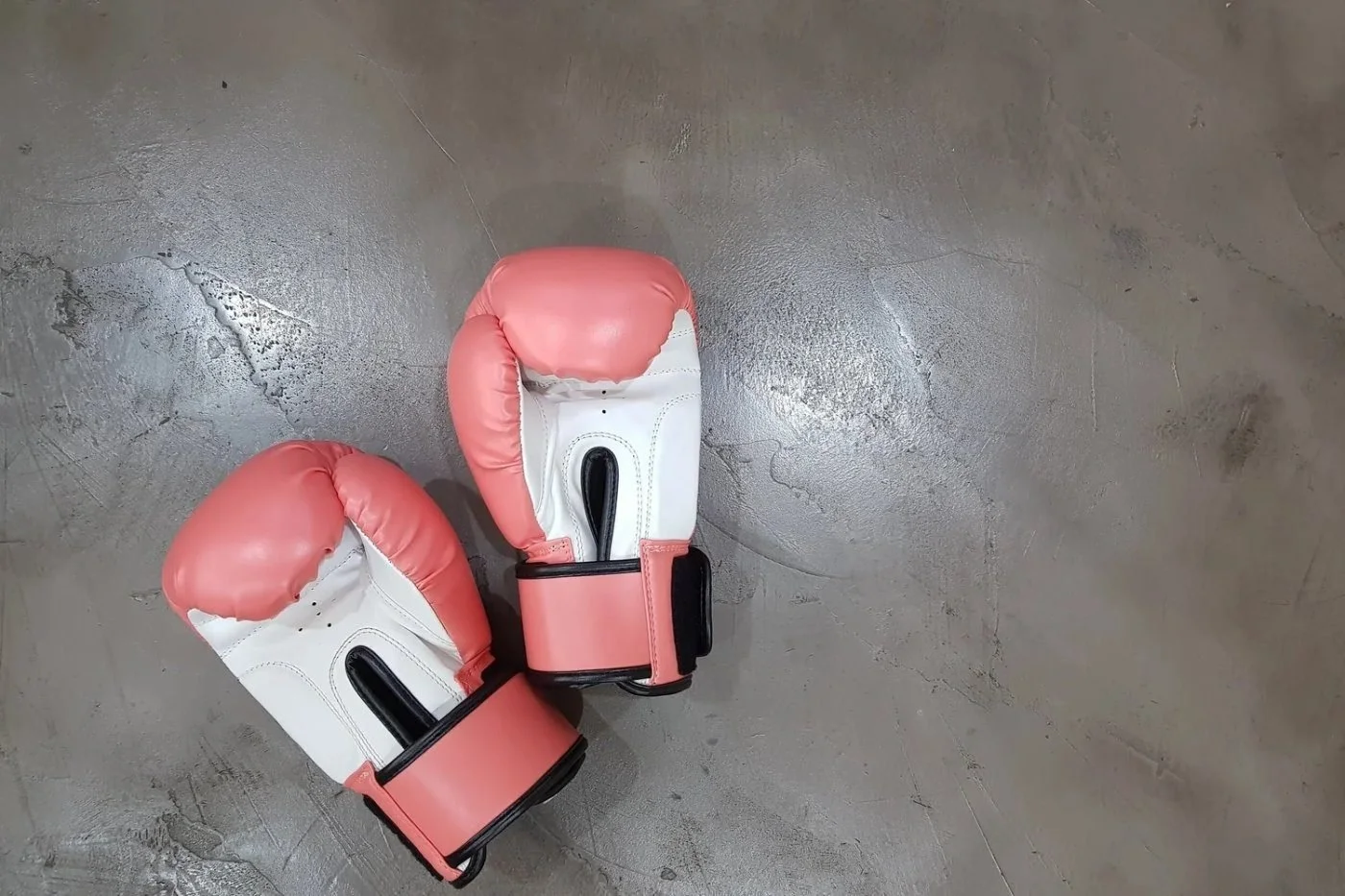
Frequently, people refer to cancer (and other chronic and life-threatening conditions) with war language. People with cancer are often labeled as “fighters” or “warriors”, and we try to convince them they “will beat the disease” and “come out victorious”. When someone dies of cancer, we say that person “lost their fight against cancer” after months or years “battling their disease”. We think about illnesses as an enemy, and we aim for their destruction through the use of “therapeutic weapons”. However, many people with cancer feel triggered by this language, which can be more discouraging than helpful at times. As one person living with cancer put it: “how can I fight cancer, when my body is the battlefield?”
The current language used around cancer can be traced back in history to when president Nixon declared “the war on cancer” in 1971. However, it is interesting to note that this perception is indissociable from modern society’s views on many other issues. We all heard about it in the context of other public health concerns (e.g. “war on drugs”). More broadly, violent language is a reflection of a model of society in which people believe that anything can be achieved through effort and will power. This world view implies that everything in life will bow to our will, if we just become determined enough in the pursuit of our goals. Additionally, it is commonly believed that the more aggressive we are, the more likely we are to be successful. For example, many people believe that aggression is a required trait in a leader, when in reality, empathy and kindness achieve better results (Brown, 2018).
The question is that, when we realise we have way less control over life than we are made to believe, this fight-for-it attitude may be quite triggering. A person with cancer is way more likely to understand how vulnerable they are as human being. They are also likely to have a different relationship with the idea of death. There are, however, different perspectives on this subject. Some people, particularly some of those with potentially curable cancers, may feel strong and empowered with war language (Reisfield & Wilson, 2004; Semino et al., 2015). If that is the case, why not use it? If this is the strategy that makes them tolerate surgeries and chemotherapy sessions, or engage with life every day, it needs to be acknowledged and cherished. But what if this language is harmful for some people? What can we do then?
There are potential problems with the use of aggressive language around cancer. In many cases, telling someone to fight cancer makes them feel they are not doing enough (Granger, 2014; Semino et al., 2018). While people may like to think of themselves as warriors when they feel healthy and energised, it is hard to be a fighter after the 6th round of chemotherapy, or when you do not have enough strength to get out of bed. In addition, people with advanced cancers will probably not “beat their cancers”, but they can live with them for many years. Hearing someone else say they believe they can still beat their cancer may be distressing and alienating (Granger, 2014; Semino et al., 2018). The war language also creates a winner/loser mentality, in which people may feel like losers when their cancers are incurable, as if they have a choice.
Personally, I also felt this type of language was unhelpful. These are their reasons why:
The war metaphors used by some people around me did not match my internal experience with cancer. I never wanted to fight cancer, and just the idea made me feel exhausted. I just wanted to rest and create the conditions for my body to heal. My days were not a constant struggle. It was just me resting, and doing things I liked. Of course I had many hard days, but those usually required me to do less, instead of fighting more. Fighting implies we are actively doing something aggressive to literally remove a tumor out of our bodies. Of course many of us are proposed to receive aggressive cancer treatments such as surgery or chemotherapy. We may decide to accept these treatments or not, and there lies some power. But once the choice is made, we will need to surrender to the process. My cancer journey was easier for me when I softened and trusted, compared to when I tried to behave like Joan of Arc.
While most people around me seemed to hate my cancer, I was acutely aware it had come from my body. Cancer is not a foreign object. In the beginning, it was healthy body tissue. For some reason (or for many reasons), some of my healthy cells changed their genetic make-up, lost their ability to self-regulate, and to respond to their environment. They later developed into a large tumor with the potential to invade other body tissues. So cancer is no more than a state of cellular confusion and disharmony. But the same way we do not eradicate violence with violence, I never believed having an aggressive attitude towards my cancer would help me eliminate it. Instead of that, I focused on bringing harmony to my life and my body, so I could feel loved and supported in my path of healing.
Perhaps the thing that upsets me the most is hearing someone say that a person “lost their battle against cancer”, or that “the cancer took over”. Because the truth is, how can a group of confused cells take over a full individual with their story, their beauty, their hopes, and their dreams? When did our lives become a game of winners and losers? In the end, we are all going to die. Towards the end of our lives, we may become frailer, thinner, and lack control over our speech, or our bowels. But we will not be losers. We will not be losers because we are human beings, not human doings. Our power does not reside in what we do, but in what we are. As a result, we may do many things in life, but the important ones are those which are aligned with who we are. The story of a human being is reflected in every person who ever crossed their path. The size of that legacy is never truly known. It lies in every look exchanged, every act of kindness, every smile. So in the end, nothing is lost. Illness can never destroy people, but it is an opportunity to celebrate them.
So after all of this, what language should we use to empower people with life-threatening illnesses? The truth is, I do not think there is only one answer to this question. It depends on the person, their circumstances, and their illness. If you are a person living with a chronic or life-threatening illness, I invite you to reflect on the language you use and why you use it. How does it make you feel? Are some metaphors more empowering than others? Do you feel the need to reframe your language?
If you are someone who knows a person living with cancer, and you are not sure what to say, ask. From my experience, there are a few reasons why we use metaphors to talk about other people’s illnesses. Firstly, we believe we are helping them. Secondly, talking about life-threatening illnesses is uncomfortable, and we sometimes do not know what to say. If you feel uncomfortable talking about cancer, it is ok. I have talked about it so many times before, I have experienced cancer first-hand, and I am still unsure of what to say when I see someone affected by it. So, I invite you to be vulnerable. If you do not know what to say, say that. Vulnerability facilitates connection, and a sense of connection is one of the most important things to heal our lives. If the person has a clear preference, help them by using the language that feels true to them. In the end, words matter and you have the power to make a difference in someone’s life.
References
Brown, B. (2018). Dare to Lead. New York: Random House.
Granger, K. (2014). «Having cancer is not a fight or a battle». The Guardian, 25 April.
Reisfield, G., & Wilson, G. (2004). Use of metaphor in the discourse on cancer. Journal of Clinical Oncology, 22(19), 4024–4027.
Semino, E., Demjén, Z., Demmen, J., Koller, V., Payne, S., Hardie, A., & Rayson, P. (2015). The online use of violence and journey metaphors by patients with cancer, as compared with health professionals: a mixed methods study. BMJ Supportive & Palliative Care.
Semino, E., Demjén, Z., & Demmen, J. (2018). An integrated approach to metaphor and framing in cognition, discourse, and practice, with an application to metaphors for cancer. Applied Linguistics, 39(5), 625–645.
11 March 2021
Post scriptum.
Photo by Harli Marten on Unsplash
As the storm shattered the ceiling,
the moonlight came rushing in.
— Rebirth
One month after turning 35 years old, while the world was facing an unprecedented pandemic, I was diagnosed with grey zone lymphoma, a rare form of lymphatic cancer which typically affects people in my age group. Having just finished a yoga teacher training course the previous year, I was the embodiment of health in the eyes of many people. I ate healthy, I had a strong body, and I was living a good life. So when I started experiencing generalised pruritus (itch all over my body), and a feeling of pressure in my throat, I was hoping I would be diagnosed with a relatively simple condition, and sent home with a short-course treatment. However, as the most frequent causes for my symptoms were excluded, doctors still didn’t have the answers I was looking for. For most clinicians I consulted with, my condition was the result of stress. At the time, I was about to conclude a Ph.D., so I was working a little more than usual, but I was not feeling particularly stressed. That did not seem to matter much, because my symptoms did not seem to fit any particular diagnosis, and my blood tests were relatively normal. So stress continued to be the most likely diagnosis.
My years working in oncology and palliative care had taught me that cancer can affect anyone at any age. So even though I was never an expert in haematology, as time went by and new symptoms developed, I realised the hypothesis of lymphoma was becoming more likely. I also knew a chest x-ray was the bare minimum to identify any potential thoracic masses, which could eventually point to the right diagnosis. But with each new doctor’s appointment, I could not bring myself to ask for one of these exams. When I think about it now, I realise I was too afraid of coming across as entitled, and overstepping my colleague’s boundaries. I was never comfortable with people bringing their own list of demands to my office, and I did not want to behave the same way. At the same time, I believe I was partially in denial, hoping to evade a cancer diagnosis and the pain that it carries. I wanted to believe my colleagues were right, and I was just stressed, that everything would be fine once I took some days off. In the days following my diagnosis, I would be increasingly amazed with the way my mind worked to protect me from pain. Denial has a purpose and should be honoured as a sacred stage in any painful process. I came to vow not to rush it ever again.
When I became desperate enough to ask my doctor for a chest x-ray, a large mass was found in my chest. I knew right away it was lymphoma. When I look back, I do not resent not being diagnosed earlier. I think about the times doctors quickly concluded I was stressed, and I know we need to start training clinicians differently. Doctors are trained to recognise patterns, and made believe they know better. They are rarely told that patients have been living with their bodies for many years, so they are actually the experts in their own health. Of course most people are unfamiliar with anatomy, physiology, and the mechanisms of disease, and clinicians are certainly useful to guide patients through that. But ultimately, patients can tell when something is wrong. And they need somebody who is willing to listen hard. It is also important to note that cancer is as scary for most clinicians as it is for patients, because it is a life-threatening condition, and death is still seen as the ultimate failure in medicine. Clinicians are led to believe their role is to save lives, and the possibility of a different outcome is sometimes intolerable. Concomitantly, if a healthy-looking, 35-year old woman, eating organic food, and practicing yoga every day can have cancer, we are all vulnerable. That means we all need to stare our own mortality in the face. And that is just too painful. Even for clinicians.
Most times, it is difficult to predict how someone will react to a cancer diagnosis. As someone who has delivered these news multiple times, I find it hard to know what to expect. I have seen people who were typically calm and collected start crying, or lose their temper. I have also seen people who were gregarious and expansive become quiet and unresponsive. Shock comes in many ways, which never prevented me from reflecting on my own reaction, should I ever be diagnosed with cancer. I always believed that, if it happened, it would be much later in my life, perhaps after turning 60. I had a feeling I would experience overwhelm, fear, perhaps anger. But that felt like such a distant reality in my world, even when I was seeing people die every day.
A cancer experience changes your life dramatically. The initial phase is distressing, and sometimes even traumatic. It begins even before you have the full diagnosis, when you receive a phone call telling you to go meet your doctor as soon as possible. You feel fear first. Then your head starts spinning, and finally you feel you are trapped inside somebody else’s body. You become hypervigilant, continuously searching for small signs in people’s facial expression, their tone of voice, their posture, anything that could provide the slightest hint about what is really happening. Physiologically, your body releases chemical substances to activate the stress response, which prepares you to make quick behavioural adjustments in order to deal with the perceived threat. This is a natural mechanism designed to protect us, to give us the best chance of survival. It is what makes you go to the doctor every week, attend chemotherapy sessions, or decide to stop smoking. Fear. One of the most uncomfortable sensations, but a blessing nonetheless.
There was then a time gap between the moment I found out I had cancer, and my final diagnosis, when they told me the type of cancer I had, the stage, and the treatment options. This period took two weeks. This is one of the scariest periods people face in the course of a cancer journey. Because everything is new, yet unknown at the exact same time. It also makes the moment of the definite diagnosis quite peculiar, because we feel both incredibly scared about what lies ahead, and immensely relieved to finally know how to proceed.
Once the definite diagnosis was made, I got ready for action. I went to medical appointments and chemotherapy every 2 to 3 weeks; I adjusted my diet to make sure it was nurturing and comforting; I moved house so I could live in a cleaner environment; and I got a cat so I could feel the constant warmth of another living being; I went for regular walks by the river; I spent lots of time hugging my husband; I surrounded myself with a loving community; I read inspiring books; I danced my feelings out; I made art; I wrote. I vowed not to suppress my emotions because I had been a master of suppressing them all my life. I have done psychology sessions, inner child work, acupuncture, and energy healing. I cried of fear, sadness, and anger. I grieved for my health, my body, my hair, my soul. I changed my daily life to please myself only, to honour a woman who despite all the hurt, fear, and sadness was facing one of life’s greatest challenges with courage, kindness, and grace.
I never fought cancer. I decided early on that fighting cancer would take too much of my energy, and I was not willing to lose any of it. Instead, I accepted cancer as an invitation to create a better, happier, truer life. This does not mean my cancer journey was an easy one. On the contrary. It was the hardest thing I had ever had to do. But it was also a blessing in many ways. I defined my priorities in life. It showed me how much people cared for each other. It made me see the love around me, which I had never taken the time to notice. There are things that only a big challenge can teach us. Would I recommend it to others? Not really. But when you have no option, why not use it to make your life as amazing as you can?
One of the most important lessons of cancer, is to embrace human life’s paradoxes. We live in a world in which polarised thinking is the norm, which makes everything seem like a war. I stopped falling for that. My cancer journey was both painful and beautiful, heartbreaking and heart-opening, brutal and transformational. After cancer, I became braver. I went through cancer treatment with resilience, dignity, and grace, and that makes me believe I can do anything. I also became more fearful. I fear the cancer may come back, I fear I may leave this life too early without doing everything I want to do. Braver and more fearful, at the same time. And I have learned that this is ok.
My treatment had a total duration of six months, and included a combination of chemo and radiotherapy. In the end, I had a complete metabolic response, which is a fancy name describing the absence of detectable cancer cells in your PET scan. I don’t know what the future holds, but whatever it is, I am on extra-time already. If I had been diagnosed 100 years ago, I would have died shortly after my diagnosis. I am alive, and I remind myself of that every day. During this journey, I came to realise we were never promised a long life. We were also never promised a life with no challenges. We were just given a life. Every human being will experience both joy and pain in their journeys. It does not matter if we are successful business owners or nuns, joy and pain are part of the experience of being human. As life unfolds, we have two choices: we can let pain crush us, or we can let us be transformed by it. If we decide to let it crush us, the story ends. If we decide to be transformed, a new seed is planted and something new will eventually be born.
When I finished treatment in January 2021, I felt overjoyed and relieved. As many people in my situation, I allowed myself to celebrate with all people who are dear to me. At the same time, something inside me was changed forever. As a medical doctor, I had never realised this, but there is a sacred time after you come face-to-face with death, and you end up surviving. A time in which there is immense potential for integration and healing. A time in which you are no longer the person you were, and not yet the one you will become. A time in which you are expected to go back to what you used to be, but you do not fit that description anymore. You have new interests, you value different things, you see the world through a different lens. You start feeling how hard the journey really was, and how it changed you. You allow yourself to soften more, to feel what you were unable to feel before, not because you were repressing emotions, but because they were not ripe enough. It is a time in which you experience the paradoxes of life at its fullest. You are both old and new, excited and fearful, sure of yourself and insecure, bruised and stronger. And most of all, you develop an overpowering sense of compassion for the girl who was yet to become a woman before this story started.
This is it. I am at the point where life comes rushing in, and I have the chance to start again, as a new human being. After so many months at home healing my body and my soul, I get to go out into the world and create something more authentic and more beautiful than before. And that feels both exciting and scary. And that is perfectly ok.